How Residential Interior Design Supports Modern Family Life
Family life today moves fast. Mornings are busy, evenings are full, and weekends often mix rest with fun. Because of this, the way a home is designed matters more than ever. In Raleigh, residential interior design plays a quiet but powerful role in helping families live with more ease, comfort, and joy.
At its core, good design supports real life. It helps parents stay organized, gives kids room to grow, and creates shared spaces that bring everyone together. Most importantly, it turns a house into a home that truly works for the people inside it.
Design That Fits Daily Family Routines
Every family has a rhythm. Some homes are full of school bags and sports gear, while others balance remote work and playtime. Interior design should follow daily habits, not fight them.
For example, clear walkways help reduce morning stress. Also, smart storage keeps clutter under control. As a result, families spend less time cleaning and more time enjoying each other.
Key design ideas that support daily life include:
- Open layouts that allow easy movement
- Built-in storage for shoes, bags, and toys
- Durable materials that handle spills and wear
Since each family is different, thoughtful design focuses on how people actually live.
CREATING SPACES THAT GROW WITH YOUR FAMILY
Families change over time. Kids grow, work needs shift, and hobbies come and go. Because of this, flexible design is a must.
Rooms that serve more than one purpose help homes stay useful for years. For instance, a guest room can also be a study. Similarly, a playroom can later become a teen hangout or hobby space.
Flexible design features often include:
- Neutral color bases that adapt easily
- Furniture that can move or change use
- Spaces planned with future needs in mind
This approach saves time and money. More importantly, it keeps the home feeling fresh and supportive.
SUPPORTING CONNECTION THROUGH SHARED SPACES
Modern families value together time. Because of that, shared areas deserve special care.
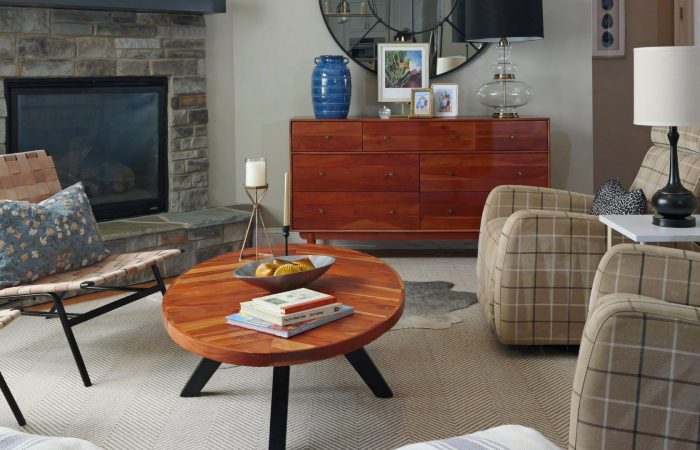
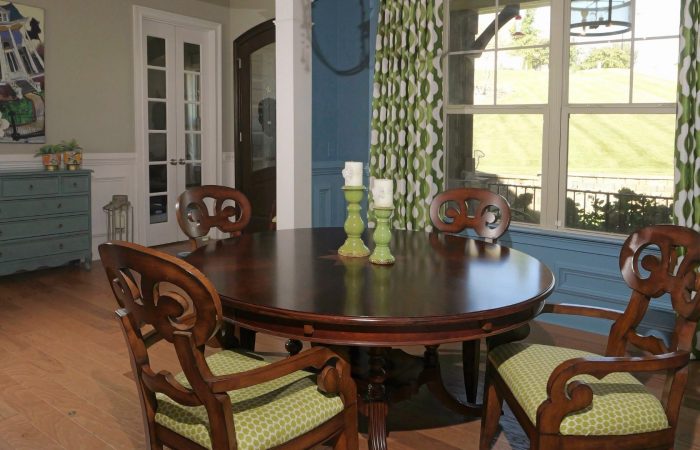
Living rooms, kitchens, and dining spaces are where stories are shared and memories are made. Therefore, design should invite people to gather, relax, and interact.
Helpful design choices include:
- Comfortable seating with enough room for everyone
- Lighting that feels warm and welcoming
- Layouts that support conversation and eye contact
When spaces feel open and friendly, family bonds grow stronger.
PRIVATE SPACES THAT SUPPORT REST AND FOCUS
While shared areas matter, private spaces are just as important. Kids need quiet spots for homework. Parents need calm rooms to rest and recharge.
Good residential interior design focuses on balance. On one hand, it creates together spaces. On the other hand, it respects the need for personal space.
Design ideas that support privacy include:
- Soft colors that help calm the mind
- Sound-absorbing materials for quieter rooms
- Thoughtful lighting for reading and rest
Because of this balance, everyone feels supported at home.
SAFETY AND COMFORT FOR EVERY AGE
Family homes include people of many ages. From toddlers to grandparents, safety matters.
Smart design reduces risks while still looking beautiful. For example, rounded furniture edges help prevent injuries. Also, slip-resistant flooring adds peace of mind.
Common safety-focused design elements include:
- Easy-to-clean, non-slip floors
- Clear lighting in hallways and stairs
- Storage placed at safe heights
As a result, homes feel welcoming and secure for all family members.
DESIGN THAT SUPPORTS WORK AND LEARNING AT HOME
Many families now work or study from home. Because of this, design must support focus and comfort.
A well-planned workspace boosts productivity. Also, it helps separate work time from family time.
Helpful features include:
- Desks placed near natural light
- Comfortable seating for long use
- Storage to keep supplies organized
Residential interior design Raleigh, NC, often blends these needs into existing rooms without losing style or comfort.
EASY MAINTENANCE FOR BUSY FAMILIES
Time is valuable. Families do not want to spend hours on upkeep.
That is why practical design choices matter. Easy-care materials save time and reduce stress.
Examples include:
- Washable fabrics
- Durable countertops
- Simple finishes that wear well
Because of these choices, homes stay fresh with less effort.
PERSONAL STYLE THAT REFLECTS FAMILY VALUES
A home should feel personal. Photos, colors, and displayed collectables tell a family’s story.
Design helps blend personal style with function. As a result, homes feel warm and real, not staged.
Personal touches may include:
- Family photos displayed with care
- Colors that reflect shared tastes
- Furniture chosen for comfort and function
This personal approach helps families feel truly at home.
WHY PROFESSIONAL DESIGN MAKES A DIFFERENCE
While many people enjoy decorating, professional design adds structure and insight. Designers listen first. Then, they plan spaces that fit real needs.
They also help avoid costly mistakes. Because of their experience, they guide families toward smart choices that last.
A professional approach brings:
- Clear planning from start to finish
- Access to quality materials
- Designs that balance beauty and function
In the end, families gain a home that supports them every day.
CONCLUSION: DESIGNING HOMES THAT SUPPORT REAL LIFE
Modern family life needs homes that do more than look good. They must support routines, comfort, growth, and connection. Through thoughtful planning, Raleigh, residential interior design expert, helps families create spaces that truly work for them.
asd | Andrea S Daniels Interior Design understands that every family is unique. With a personalized, client-focused approach, the studio helps create homes that feel welcoming, functional, and deeply personal. For families ready to improve how their homes support daily life, working with a trusted design professional can make all the difference.
To know more, call now.