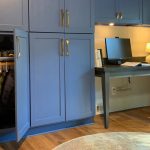
Quant Quarters for a Toddler’s Room-Bedroom Design for a Toddler in 2026
In 2006 bedrooms for toddler are being created as continually changing spaces that express the personality of the little person who inhabits them and fit seamlessly into your home’s aesthetic. The shift in designing a bedroom for a toddler is towards a lived-in, collected style filled with items gathered thoughtfully over the years. Softer neutrals are redefining how we think about timeless spaces allowing for growth and change. A mellow background is well suited to both sleeping and studying. Collectables include wooden toys, handmade stuffed animals, vintage and artisan-made toys and décor are being used to create personalized rooms. This approach promotes independence, expresses personality and fosters wellbeing.
Calming Neutral Colorways
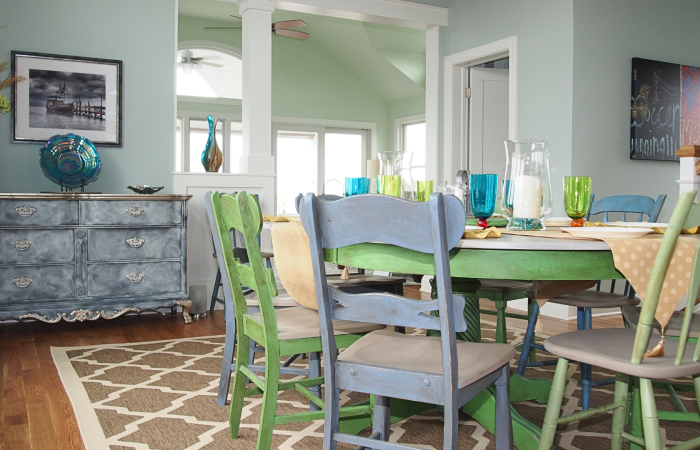
We are gravitating to the use of calming neutral colorways for children’s rooms with a warm background color on walls and larger furniture pieces. This approach will help small kids’ rooms feel lighter and more spacious. Try painting all four walls, trim and doors one color, varying the sheen and using a calming sage or clay tone, then layer color in bedding and artwork. Muted color palettes are designed to help children relax and focus. Choose muted tones such as lavender, dusty blue, soft sage and warm taupe.
Pops of Color
Adding pops of color in items such as bedding, rugs, wall art and window treatments brings personality without overwhelming the space and the accent pieces can be easily updated as your child grows or their preferences change. Gone are the days of primary colors and bold tones that dominate the room. We are seeing colors schemes become more muted and sophisticated with an increase in texture and pattern taking priority. Kids rooms should be colorful while being intentionally layered with more complex earthy tones paired with interesting pattens that add visual depth without being juvenile. Your child’s room is an extension of your home and while it is dedicated to the child’s personality and preferences the scheme should be as intentional and layered as the rest of your home.
Wallpaper Has Made a Comeback
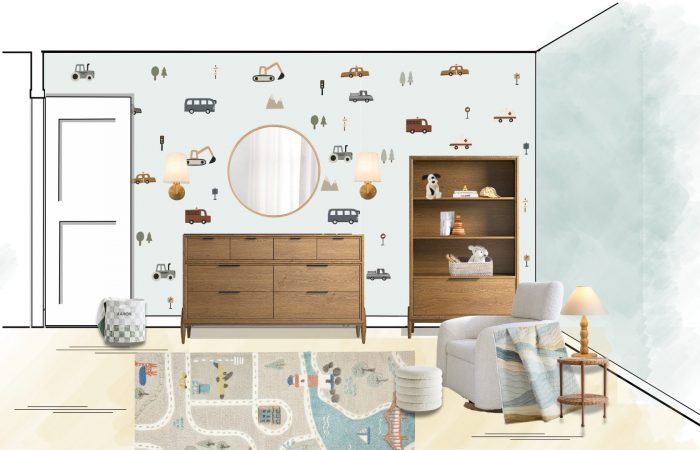
Wallpaper is bolder than ever but rather than overwhelming a toddler’s bedroom on all four walls, try selecting one wall for a bold wallpaper. Choose animal prints, florals or oversized geometric designs to make a kid’s room filled with personality. Adding wallpaper on one wall introduces visual interest and can add to the personality of the room without feeling overly busy. This technique becomes a focal point and draws the eye while still allowing the room to feel open and spacious. The best part is that many wallpapers today are peel-and-stick. This means that the design of you child’s bedroom can evolve as quickly as your child’s interest do.
Multi-Functional Furniture
To support your little-one’s growth supply storage area that transition seamlessly. Functionality is one of the defining features of kids’ rooms with bunkbeds that include storage drawers, lofts with built-in desks and adaptable storage systems that can be changed as a child grows up. Use a mix of open shelves for display and closed cabinetry for concealing the visual clutter, storage under a bed or in a window seat. Baskets at a child’s height, low shelves they can reach makes them part of organizing and picking up after play. Clear labeling of bins shelves and drawers helps children know where things go, supports daily clean-up routines and teaches them how to organize and maintain their space.
Creative use of Space
As a bedroom designer for toddlers asd | Andrea S Daniels Interior Design provides areas to rest, play and study to promote independence and express personality. Give kids a special area to retreat to by designating places for different types of play. A closet that is not needed can serve as a cozy reading or play nook adding cushions, soft lighting and shelving for books and toys. Include dedicated play corners such as an art station or an indoor activity area for swinging, rocking or climbing.
Expand the Room Visually
If your child’s room is small a great way to expand the room visually is with the use of mirrors. Mirrors reflect light and space, making small room appear larger than they are. A good placement is opposite a window to reflect the outdoors and create depth and brightness. This is a subtle and effective design trick and especially helpful for rooms with little natural light.
Bring Nature Inside
Natural-looking décor is popular in kid’s rooms. Items such as botanical prints, floral or leafy wallpaper. Woven natural items such as window shades or baskets help to brighten the room and form an earthy relaxing vibe. A quick and simple way to add nature in a kid’s room is with a large-scale leafy wall decal.
Healthy design
Sustainability has become important to parents when choosing materials for their children’s rooms. An ideal choice for walls is the use of non-toxic paints to create a safer indoor environment by reducing exposure to harmful chemicals. These paints help maintain better indoor air quality, reducing the risk of respiratory issues and allergies.
For wood furniture, look for the FSC-certified label which indicates manufacturers that practice specific high standards to ensure that forestry is practiced in an environmentally responsible, socially beneficial way.
Carpeting often contains formaldehyde as does wood furniture made with pressed wood products. Formaldehyde is a respiratory irritant. For the safest choice, choose furniture made entirely from solid wood or with adhesives that are certified as formaldehyde-free. This will ensure no formaldehyde is present in the materials. For carpeting look for safety certifications, such as Green Label Plus from the Carpet and Rug Institute (CRI), which indicates low volatile organic compound (VOC) emissions and no added formaldehyde.
Lastly, use washable, natural fabrics that can withstand everyday use while protecting the environment. Organic cotton for your child’s bed linens is a good choice. OEKO-TEX testing ensures these sheets are free from harmful substances. The long-staple cotton fibers create a smoother, softer fabric that’s less abrasive on delicate skin, reducing the risk of eczema and contact dermatitis. Global Organic Textile Standard (GOTS) certification ensures a pure, hypoallergenic product by eliminating harmful treatments.
Frequently Asked Questions about Kids’ Room Trends for 2026
What one feature do kids love the most?
Dedicated play corners for reading tent, art station or indoor swing. These activities give them independence and creativity
How can I make my kid’s room feel bigger?
Choose multi-function furniture such as loft beds with built-in storage and desk, use vertical shelving to free up floor space, keep clutter tucked away in closed storage units.
What colors are most used for kids rooms in 2026?
Soft neutral walls such as sage, dusty blue, and muted lavender. These colors are calming and flexible for all ages.
Is wallpaper a good choice for kids’ rooms?
Yes, wallpaper can make a good focal wall providing texture and color. Many wall papers are peel and stick which is easy to remove when it is time to update as your child grows and tastes change.
How can I add sustainability to my child’s room?
Organic bedding, non-toxic paints, and FSC-certified wood furniture.